Smart Interior Planning for Compact Homes That Feel Open and Comfortable
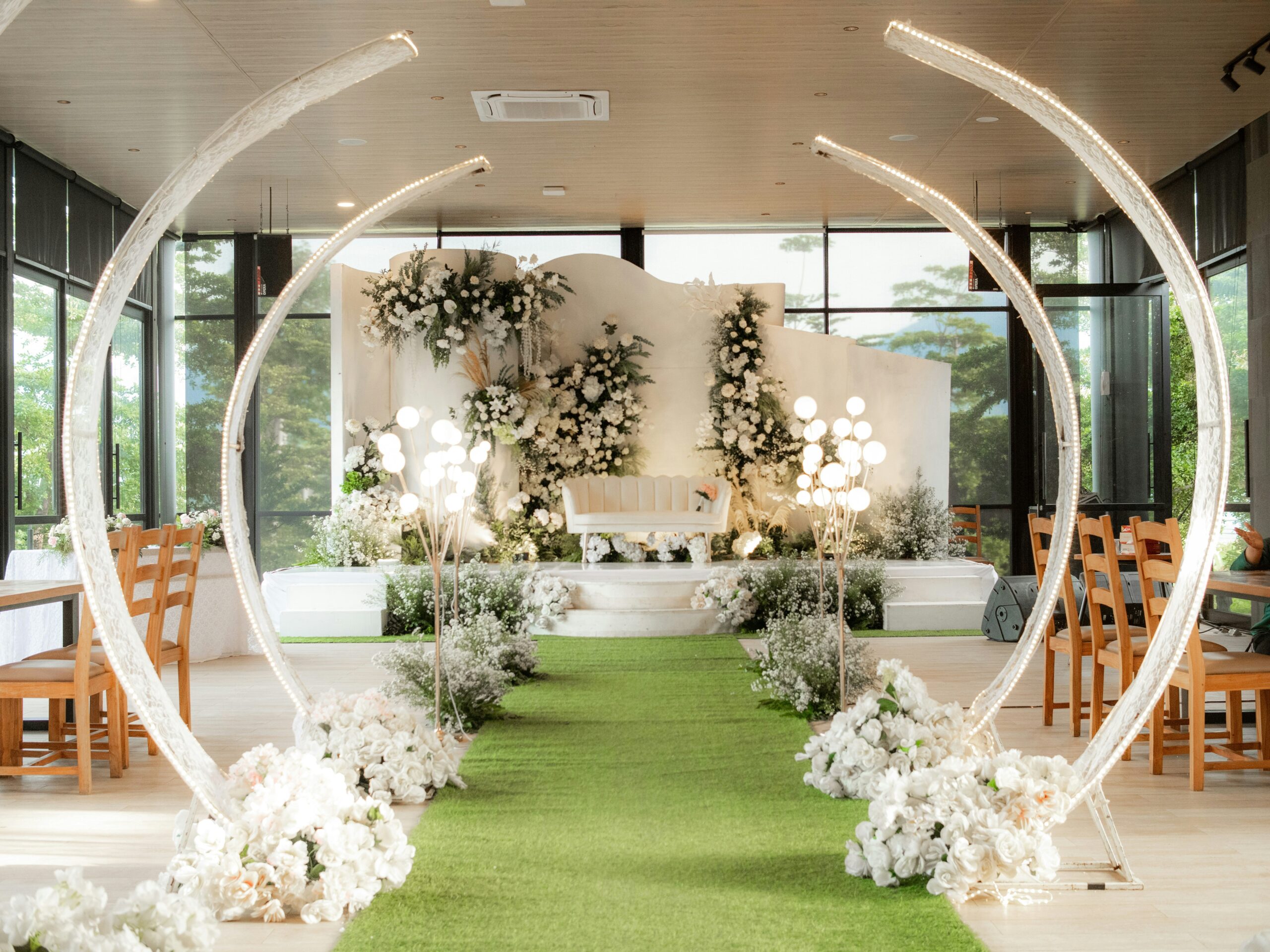
Living in a compact home does not mean sacrificing comfort, style, or functionality. As urban living grows and property sizes shrink, interior design has evolved to meet the challenges of limited space. Thoughtful design choices can transform even the smallest homes into efficient, visually appealing, and highly livable environments. With the right strategies, compact interiors can feel open, organized, and welcoming.
Understanding the Needs of Compact Living
Small spaces demand intentional design. Every room must support daily activities while avoiding clutter and congestion. Successful compact interiors focus on efficiency, flexibility, and balance rather than excess. Understanding how a space will be used throughout the day is the first step toward creating a design that supports real-life needs.
Designers who work effectively with small homes prioritize functionality without neglecting aesthetics. When purpose guides design decisions, compact spaces become easier to navigate and more enjoyable to live in.
Space Planning That Improves Movement and Flow
Effective space planning is essential in small interiors. Clear pathways and logical furniture placement help prevent a cramped feeling. Open-plan layouts, where appropriate, allow rooms to flow into one another, making the home feel larger and more connected.
Zoning techniques also improve functionality. A single room can serve multiple purposes when areas are visually defined through lighting, rugs, or furniture arrangement. This approach maintains openness while supporting different activities within the same space.
Choosing Furniture That Works Harder
Furniture selection plays a major role in compact interior design. Pieces that serve multiple functions reduce the need for additional items and save valuable space. Storage beds, nesting tables, extendable dining surfaces, and modular seating offer flexibility without clutter.
Scale is just as important as function. Furniture that is proportionate to the room maintains visual balance and prevents overcrowding. Clean lines and lightweight designs help small spaces feel open and uncluttered.
Vertical Design and Storage Solutions
When floor space is limited, vertical design becomes a powerful solution. Utilizing wall height for storage and display keeps essential items accessible while preserving open areas. Tall shelving units, wall-mounted cabinets, and hanging storage free up valuable floor space.
Built-in storage is particularly effective in compact homes. Custom solutions blend seamlessly into the interior, creating a clean and organized look. Well-planned storage reduces visual noise and enhances overall comfort.
Color Choices That Expand Visual Space
Color has a strong impact on how a room is perceived. Light and neutral tones reflect light, making small interiors appear brighter and more spacious. Soft whites, warm neutrals, and pale shades create an airy atmosphere without feeling sterile.
Accent colors add personality when used thoughtfully. Limiting bold tones to specific areas or decor elements prevents visual overwhelm while maintaining character and warmth.
Maximizing Natural and Artificial Light
Lighting is essential in compact interiors. Natural light should be maximized whenever possible through unobstructed windows and light window treatments. Sheer curtains allow daylight to flow freely while maintaining privacy.
Layered lighting enhances functionality and ambiance. A combination of ambient, task, and accent lighting eliminates dark corners and adds depth. Proper lighting design prevents small spaces from feeling closed or flat.
Mirrors and Reflective Elements for Depth
Mirrors are a timeless design tool for compact spaces. Strategically placed mirrors reflect light and create the illusion of depth, making rooms appear larger than they are. Large mirrors or mirrored panels are especially effective in living areas and hallways.
Reflective finishes, such as glass, polished metal, and glossy surfaces, also contribute to a brighter, more open feel. These elements enhance light distribution without adding bulk.
Minimalism and Thoughtful Styling
Small spaces benefit greatly from a minimalist approach. Reducing unnecessary items creates visual clarity and improves functionality. Minimalism encourages intentional choices that highlight quality rather than quantity.
Thoughtful styling adds personality without clutter. Carefully selected artwork, plants, and textiles bring warmth and character while maintaining a clean and cohesive design.
Flexible Spaces for Changing Lifestyles
Flexibility is key in compact homes. Rooms that adapt to different uses throughout the day offer greater value. A dining area can double as a workspace, and a living room can also serve as a guest area when needed.
Movable furniture, folding elements, and modular designs support adaptability. Flexible interiors respond to changing needs without requiring additional square footage.
Materials and Textures That Add Comfort
Texture plays an important role in making small spaces feel inviting. Soft furnishings, natural materials, and layered finishes add depth and warmth without consuming space. Texture prevents compact interiors from feeling flat or overly minimal.
Consistent material palettes also enhance visual flow. When finishes are cohesive throughout the home, spaces feel larger and more unified.
Technology and Smart Design Integration
Modern technology enhances compact living by improving efficiency and convenience. Space-saving appliances, integrated storage systems, and smart lighting reduce clutter and streamline daily routines.
Smart design solutions enable homeowners to maximize functionality while maintaining a clean, modern aesthetic. Technology supports both comfort and efficiency in small interiors.
Creating a Sense of Home in Compact Spaces
Comfort and personalization are essential in any home, regardless of size. Thoughtful seating, proper lighting, and personal touches create a welcoming atmosphere. Compact spaces should feel just as comfortable and expressive as larger homes.
Personal decor, meaningful artwork, and subtle accents reflect individuality without overwhelming the space. Balance ensures that compact interiors remain both functional and emotionally satisfying.
Long-Term Benefits of Well-Designed Small Spaces
Well-designed compact homes are easier to maintain, more energy-efficient, and often more sustainable. Efficient layouts reduce wasted space and support organized living. Over time, these benefits improve the quality of life and reduce costs.
Smart interior design proves that limited space does not limit potential. With intentional planning and thoughtful choices, compact homes can deliver comfort, beauty, and efficiency in equal measure.
Making Compact Living Work Beautifully
Small spaces thrive when design is purposeful. By focusing on functionality, flexibility, and visual balance, compact interiors can feel open and refined. When every element has a role, even the smallest home becomes a comfortable, stylish, and highly functional place to live.
Additional Information
- Blog
- intentional planning, Interior Design, vertical design
- Erika Mackinnon