Winning in Healthcare Sales: High-Impact Medical Sales Training Programs That Move Careers Forward
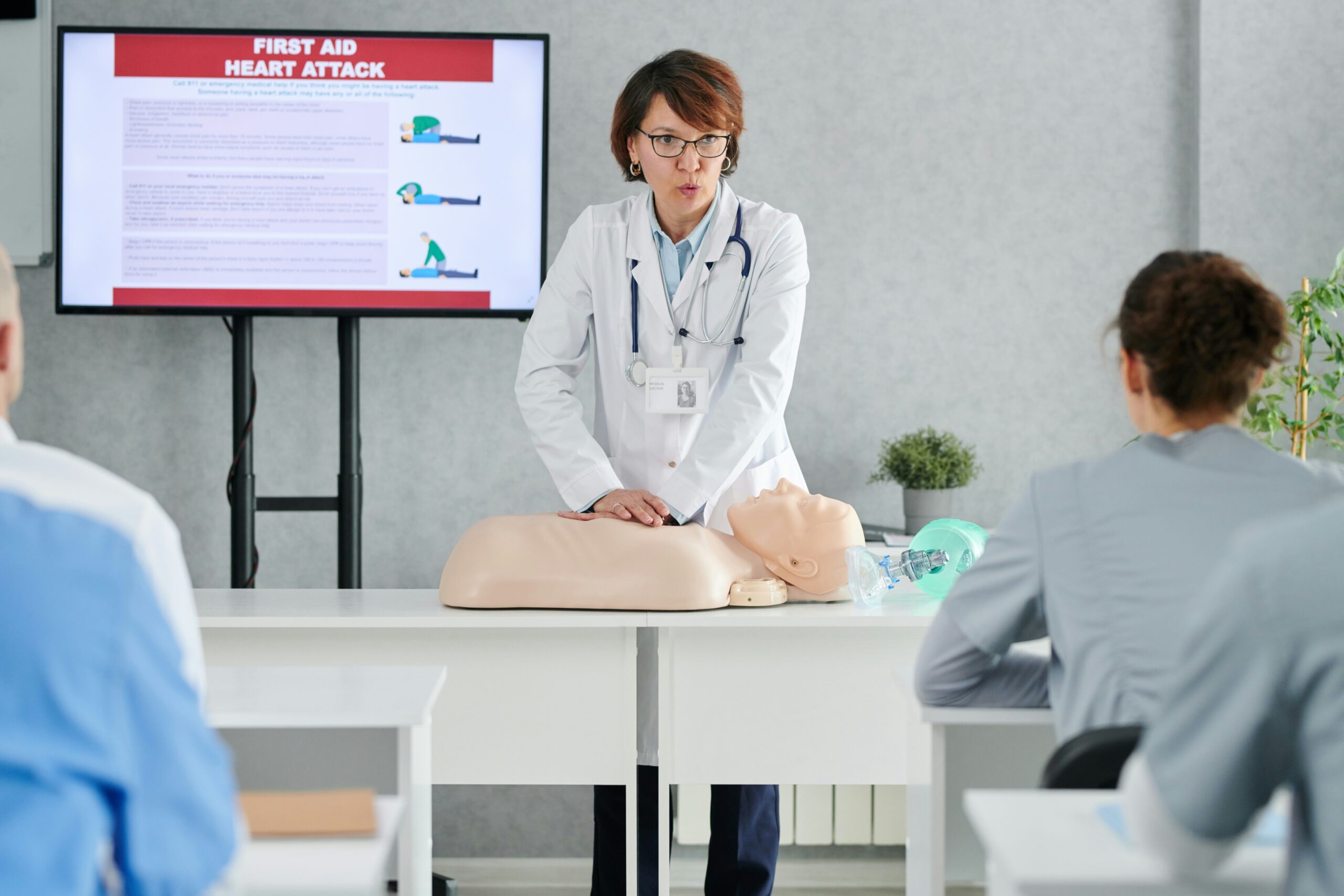
Succeeding in medical sales requires a rare combination of persuasion, technical understanding, and professional credibility. While motivation plays an important role, structured training often determines how quickly someone can thrive in this demanding field. Therefore, investing in the right medical sales training program can dramatically accelerate career growth and income potential.
At the same time, the healthcare industry continues to evolve due to new technologies, stricter regulations, and changing buyer expectations. As a result, modern medical sales training programs focus on developing adaptable professionals who can confidently navigate complex sales environments and build long-term relationships.
Understanding the Medical Sales Landscape
Medical sales professionals operate in a highly specialized environment where trust and expertise matter deeply. Because physicians and healthcare administrators make decisions that impact patient care, they expect sales representatives to provide accurate information and meaningful insights.
Moreover, the buying process in healthcare is rarely straightforward. Multiple stakeholders, lengthy approval cycles, and compliance requirements can slow progress. Therefore, training programs help sales professionals understand this landscape and develop strategies to move deals forward effectively.
Foundational Medical Sales Training Programs
Foundational training programs are ideal for individuals entering medical sales for the first time. These programs focus on core sales principles such as prospecting, relationship building, and objection handling while introducing medical terminology and healthcare systems.
Additionally, foundational programs emphasize professionalism and ethical selling. As a result, trainees learn how to communicate value without overpromising, which builds credibility and trust early in their careers.
University and Certificate-Based Programs
University- and certificate-based medical sales programs offer a structured, academically grounded approach. These programs often blend classroom instruction with case studies and real-world scenarios, allowing learners to apply theory to practice.
Furthermore, many certificate programs are recognized by employers as credible indicators of readiness. Consequently, graduates often gain a competitive advantage when applying for entry-level or transitional roles within medical sales organizations.
Online and Virtual Medical Sales Training
Online medical sales training programs have become increasingly popular due to their accessibility and flexibility. For professionals who cannot attend in-person sessions, virtual learning provides a practical alternative without sacrificing content quality.
In addition, online programs often include recorded lectures, interactive assignments, and virtual role-playing exercises. Therefore, learners can revisit challenging topics and refine their skills repeatedly, which strengthens confidence and performance in real sales situations.
Corporate Medical Sales Training Programs
Many medical device and pharmaceutical companies offer in-house training programs tailored to their specific products and markets. These corporate programs typically focus on product knowledge, compliance standards, and internal sales processes.
Moreover, corporate training often includes shadowing experienced representatives in the field. As a result, new hires gain firsthand exposure to customer interactions, which accelerates learning and prepares them for independent selling responsibilities.
Medical Device Sales Training Programs
Medical device sales require a deeper level of technical and clinical understanding than many other sales roles. Specialized training programs address this need by focusing on anatomy, surgical procedures, and device functionality.
Additionally, these programs emphasize collaboration with clinicians. Therefore, sales professionals learn how to support healthcare providers during procedures and position themselves as valuable partners rather than traditional salespeople.
Pharmaceutical Sales Training Programs
Pharmaceutical sales training programs focus heavily on compliance, product knowledge, and effective messaging. Because regulations are strict, representatives must understand what they can and cannot say when promoting medications.
Furthermore, pharmaceutical training emphasizes relationship management and territory planning. As a result, sales professionals learn how to prioritize accounts, manage time efficiently, and maintain consistent engagement with healthcare providers.
Advanced Sales Skills and Negotiation Training
For experienced professionals, advanced training programs provide opportunities to refine high-level skills. These programs often focus on negotiation strategies, strategic account management, and complex deal structures.
Additionally, advanced training encourages critical thinking and adaptability. Therefore, seasoned representatives can respond effectively to changing market conditions and competitive pressures while maintaining strong customer relationships.
Leadership and Career Development Programs
Leadership-focused medical sales training programs prepare professionals for management and executive roles. These programs emphasize coaching skills, performance management, and strategic planning within sales organizations.
Moreover, leadership training supports long-term career growth by helping professionals transition from individual contributors to team leaders. As a result, participants gain the confidence and skills needed to guide others and drive organizational success.
Technology and Data-Driven Sales Training
Modern medical sales rely heavily on technology, including CRM systems, data analytics, and digital engagement tools. Training programs that incorporate these elements help professionals work more efficiently and make informed decisions.
In addition, data-driven training teaches sales representatives how to analyze customer behavior and performance metrics. Consequently, they can refine their strategies, improve forecasting accuracy, and deliver more personalized solutions to clients.
Compliance and Ethical Sales Training
Compliance is a critical component of medical sales training. Regulations govern how products are promoted, how interactions are documented, and how relationships with healthcare providers are managed.
Therefore, ethical sales training ensures professionals understand legal boundaries and industry standards. As a result, they protect both themselves and their organizations while maintaining trust with customers and stakeholders.
Choosing the Right Medical Sales Training Program
Selecting the best training program begins with understanding your career stage and goals. For example, newcomers may benefit from comprehensive foundational programs, while experienced professionals may seek advanced or leadership-focused training.
Additionally, it is essential to evaluate the instructor’s experience, the curriculum’s depth, and the industry’s reputation. By choosing a program aligned with your objectives, you maximize learning outcomes and career impact.
The Long-Term Impact of Medical Sales Training
High-quality medical sales training delivers benefits that extend far beyond initial skill development. Professionals who receive strong training often perform more consistently, build deeper relationships, and adapt more easily to industry changes.
Ultimately, investing in the right medical sales training program is an investment in long-term success. With the proper preparation, sales professionals can accelerate their careers, increase earning potential, and establish themselves as trusted experts in the healthcare industry.
Additional Information
- Blog
- medical sales training program, sales professionals, traditional salespeople
- Erika Mackinnon