Compact Living, Elevated Design: Smart Interior Ideas for Tiny Homes
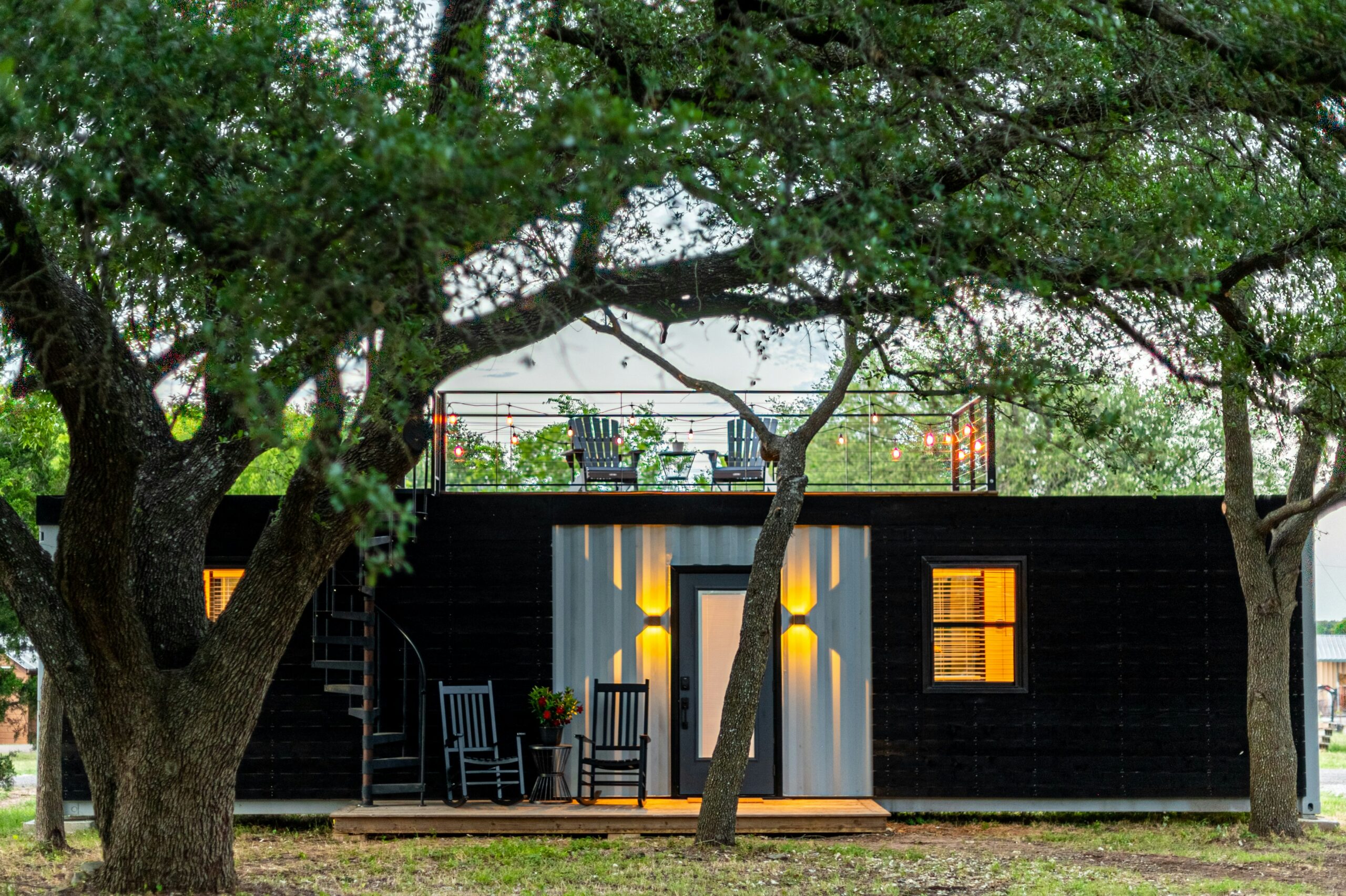
Living in a tiny home can feel both exciting and challenging, especially when every square foot matters. However, with thoughtful modern interior design choices, you can transform a small space into a stylish, comfortable, and highly functional home. Instead of focusing on limitations, clever design emphasizes creativity and intention. As a result, tiny houses can feel open, personal, and surprisingly luxurious.
Moreover, excellent design in small spaces relies on balance rather than excess. By choosing the correct layout, colors, and furniture, you can enhance both aesthetics and usability. Although minimalism often plays a role, tiny-home style does not mean sacrificing warmth or personality. With that in mind, the following design strategies will help you create a significant impact in a small footprint.
Design with Vertical Space in Mind
To begin with, vertical space is one of the most valuable yet overlooked assets in a tiny home. By drawing the eye upward, you can make rooms feel taller and more open. Tall shelving units, wall-mounted cabinets, and hanging planters help maximize storage without crowding the floor. Consequently, the space feels lighter and more organized rather than cramped.
Choose Furniture That Does More
First, multifunctional furniture is essential in small-space design. Items such as sofa beds, fold-out dining tables, and storage ottomans allow a single piece to serve multiple purposes. As a result, you reduce clutter while maintaining flexibility for daily activities. This approach ensures your furniture works as hard as you do.
Additionally, built-in furniture can further enhance efficiency and flow. Benches with hidden storage or beds with drawers underneath provide practical solutions without adding visual bulk. Meanwhile, furniture with clean lines and slim profiles keeps the space from feeling overcrowded. When every piece earns its place, the entire home feels more intentional.
Use Light and Color Strategically
In small homes, light plays a decisive role in shaping perception. Therefore, maximizing natural light should be a top priority. Large windows, sheer curtains, and reflective surfaces help bounce light throughout the space. As a result, rooms appear brighter, airier, and more welcoming.
Similarly, color choices significantly influence how large or small a space feels. Light, neutral tones such as white, beige, or soft gray visually expand walls and ceilings. However, subtle pops of color can add character without overwhelming the room. By layering color thoughtfully, you create depth while maintaining a calm, open atmosphere.
Create Zones Without Walls
Even in tiny homes, defined areas help create a sense of order and comfort. Instead of building walls, you can use rugs, lighting, or furniture placement to separate spaces. For example, a small rug under a table can signal a dining area, while a reading chair and lamp define a cozy nook. Consequently, the home feels structured rather than chaotic.
Furthermore, visual dividers like open shelving or curtains provide separation without blocking light. These solutions maintain openness while offering flexibility when privacy is needed. Meanwhile, consistent flooring throughout the home keeps transitions smooth and visually cohesive. Zoning in this way allows multiple functions to coexist harmoniously.
Maximize Storage with Creativity
Storage often determines how livable a tiny home feels. Therefore, thinking creatively about where to store items is essential. Under-bed drawers, toe-kick cabinets, and stair storage make use of spaces that often go unused. As a result, everyday items stay accessible but out of sight.
In addition, wall hooks, pegboards, and magnetic strips can replace bulky cabinets. These solutions keep essentials organized while adding visual interest. Meanwhile, baskets and decorative boxes blend storage with style. When storage feels intentional, the home stays tidy without feeling sterile.
Personalize Without Overcrowding
Personal style matters, even in the smallest homes. However, restraint is key when decorating a limited space. Instead of displaying everything, choose a few meaningful pieces such as artwork, textiles, or photographs. As a result, each item stands out and tells a story.
Likewise, repeating materials or colors throughout the home creates a sense of unity. For example, matching wood tones or metal finishes helps the design feel cohesive. Meanwhile, rotating décor seasonally prevents visual fatigue without permanent clutter. By editing thoughtfully, you preserve personality while maintaining balance.
Small Homes, Strong Design
Ultimately, tiny homes thrive on clever design rather than size. By using vertical space, choosing flexible furniture, and applying light and color wisely, you can dramatically improve both form and function. Moreover, thoughtful zoning and creative storage ensure that every inch serves a purpose.
Ultimately, great style has nothing to do with square footage. Instead, it reflects intentional choices and a clear vision. When you design with purpose, even the smallest home can feel expansive, comfortable, and uniquely yours.
Additional Information
- Blog
- flexible furniture, modern interior design, reading chair
- Erika Mackinnon